01
Retractable Awnings
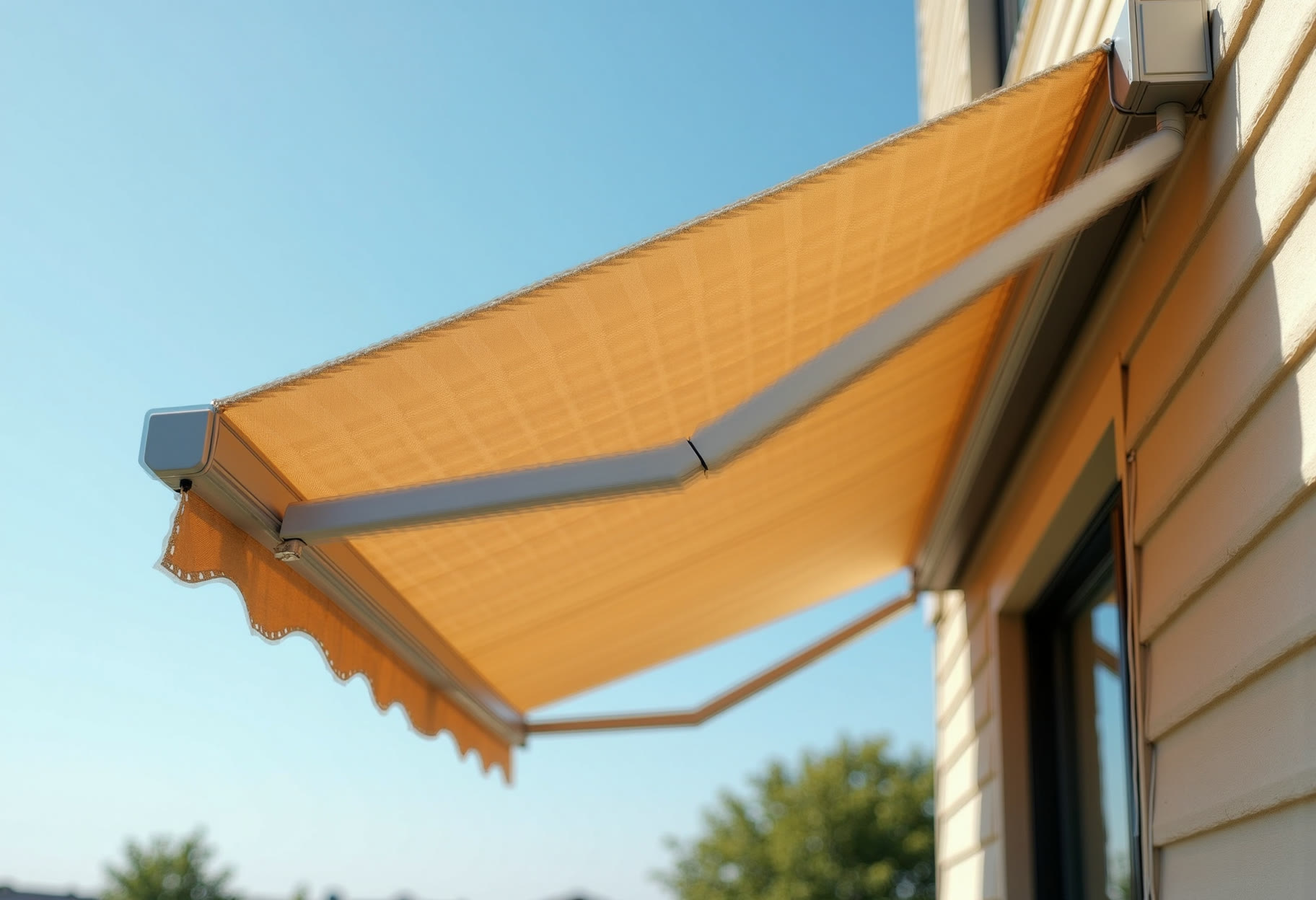
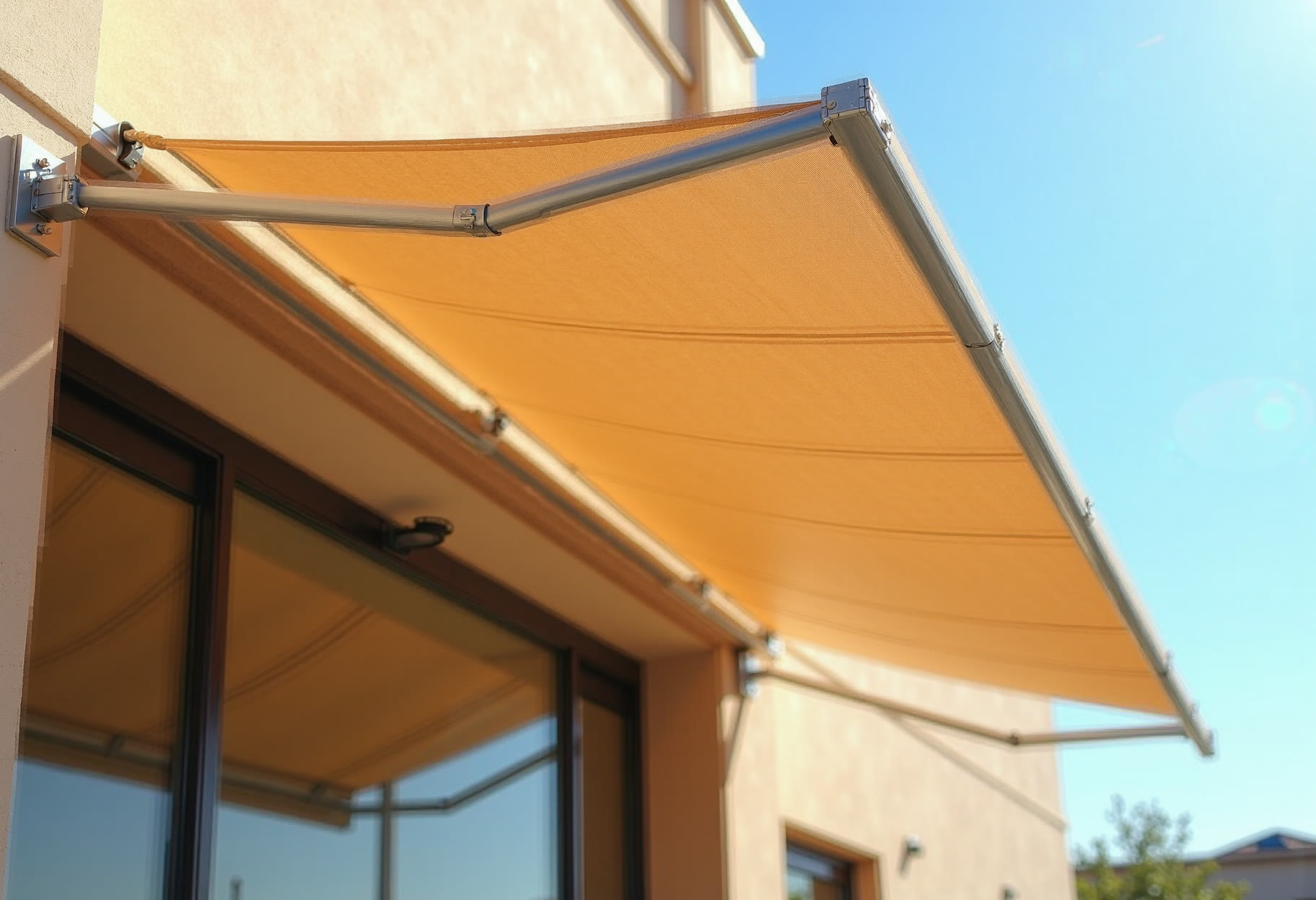
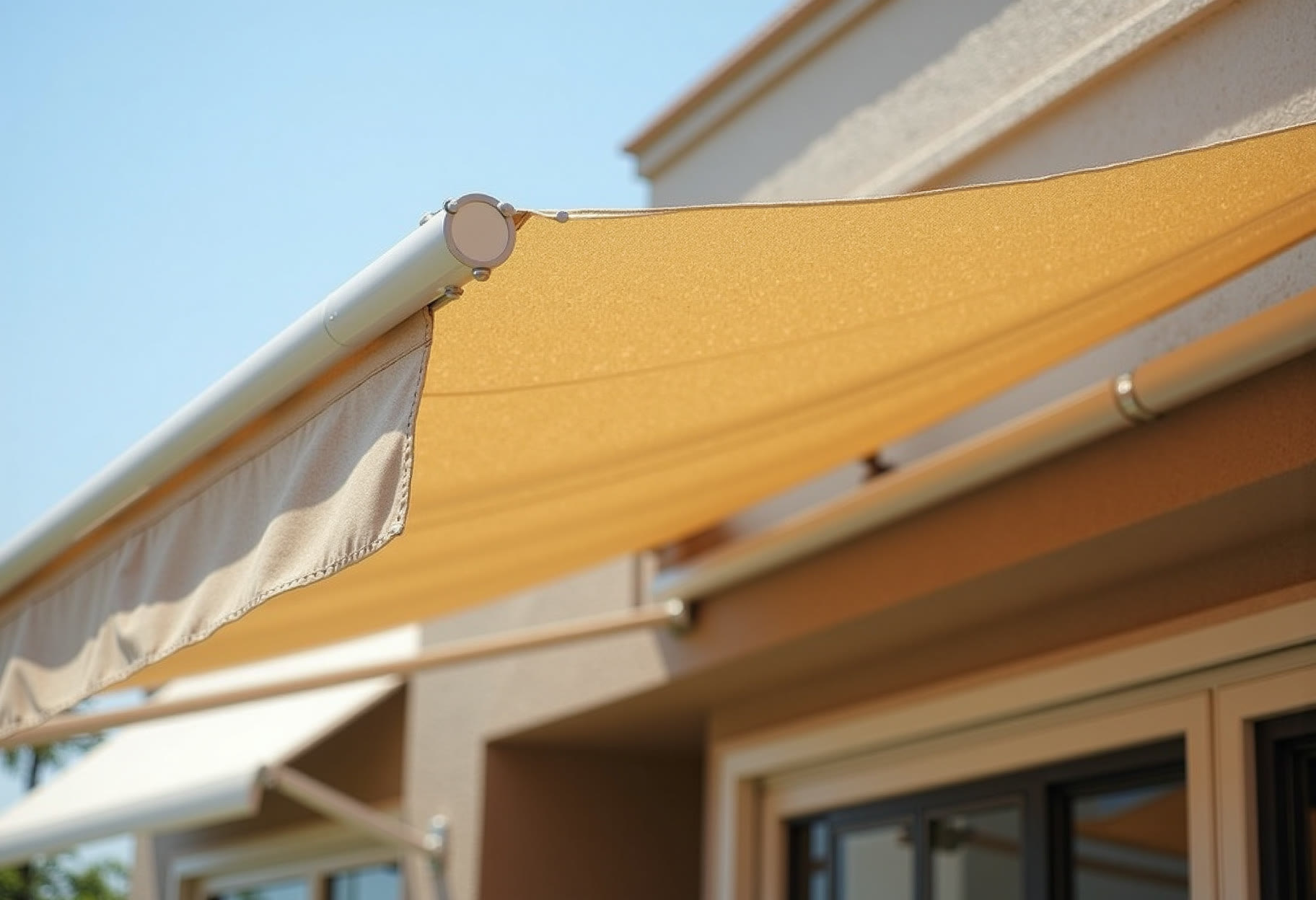
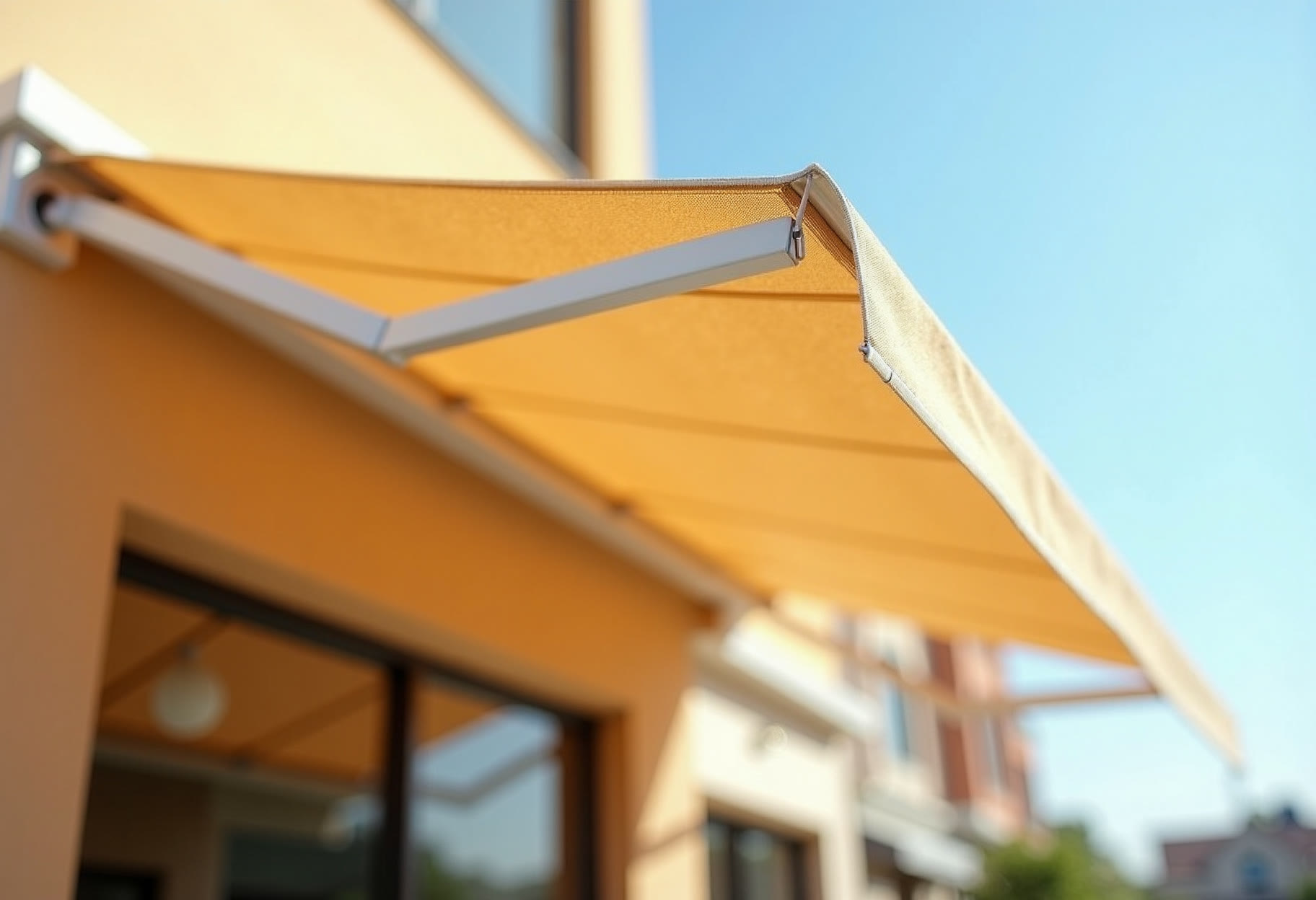
Motorized or manual retractable awnings on aluminum or steel frames, fabric tensioned to shed water and wind, mounted to the house or shop with proper lag points.
From $2,900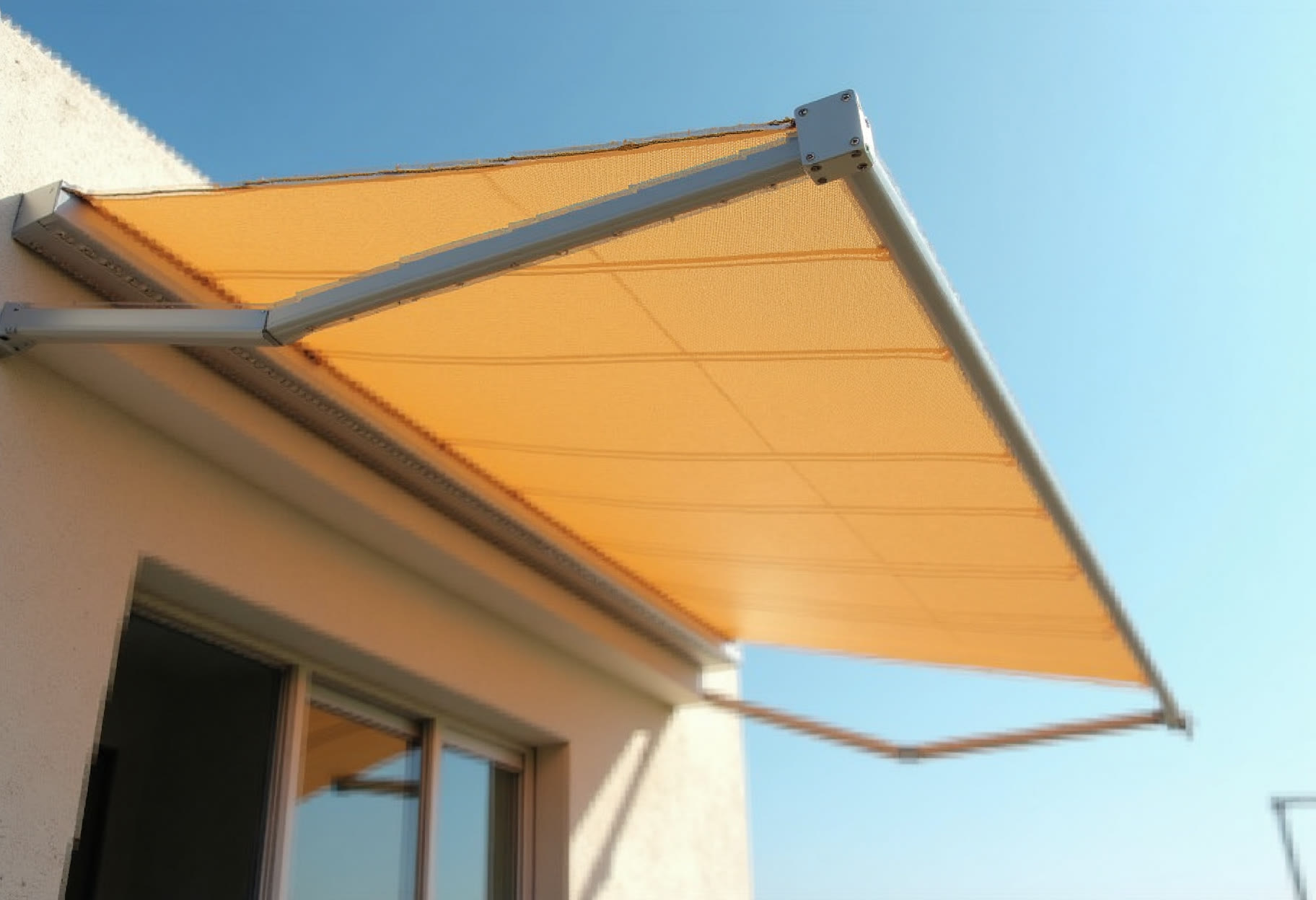
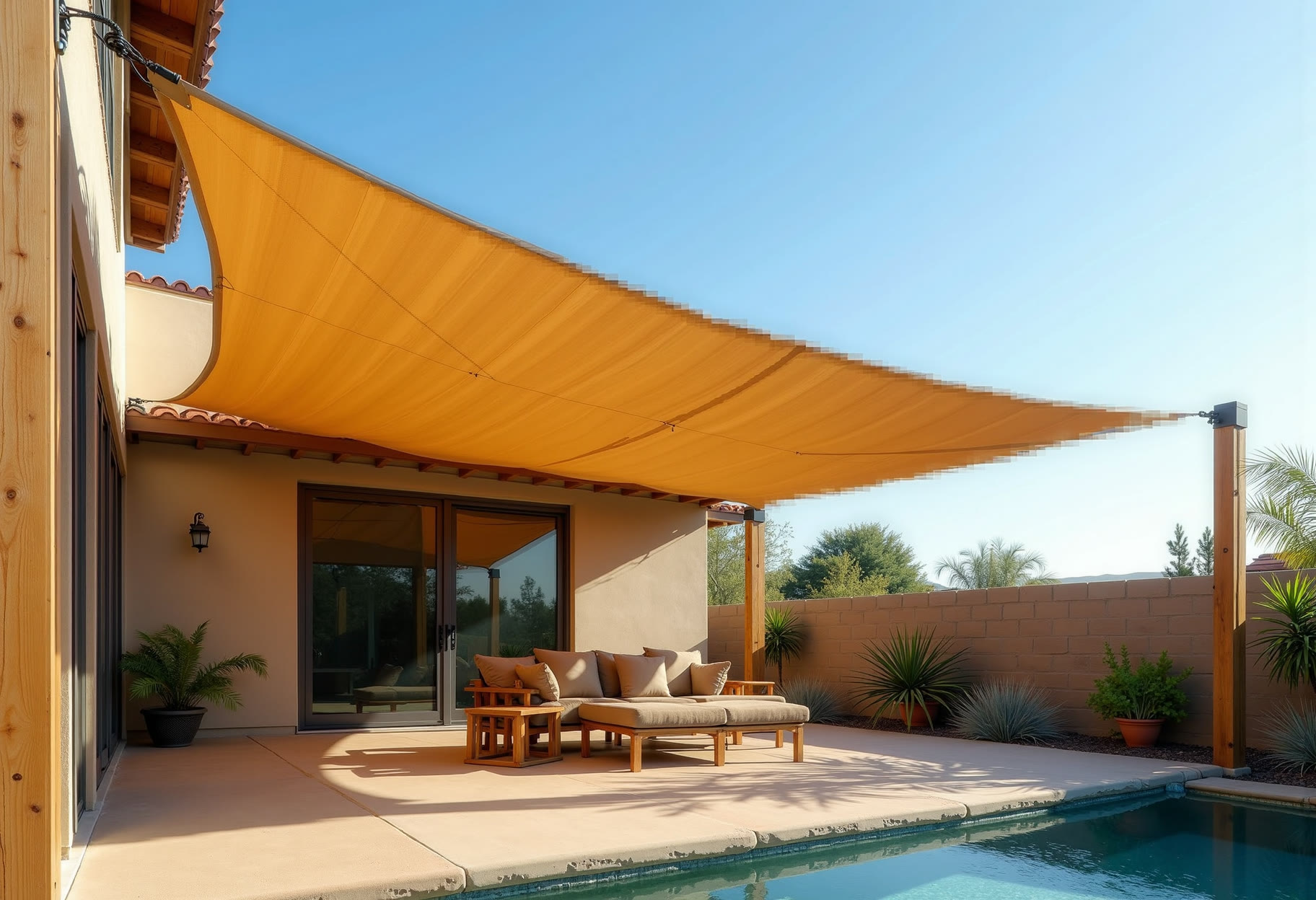
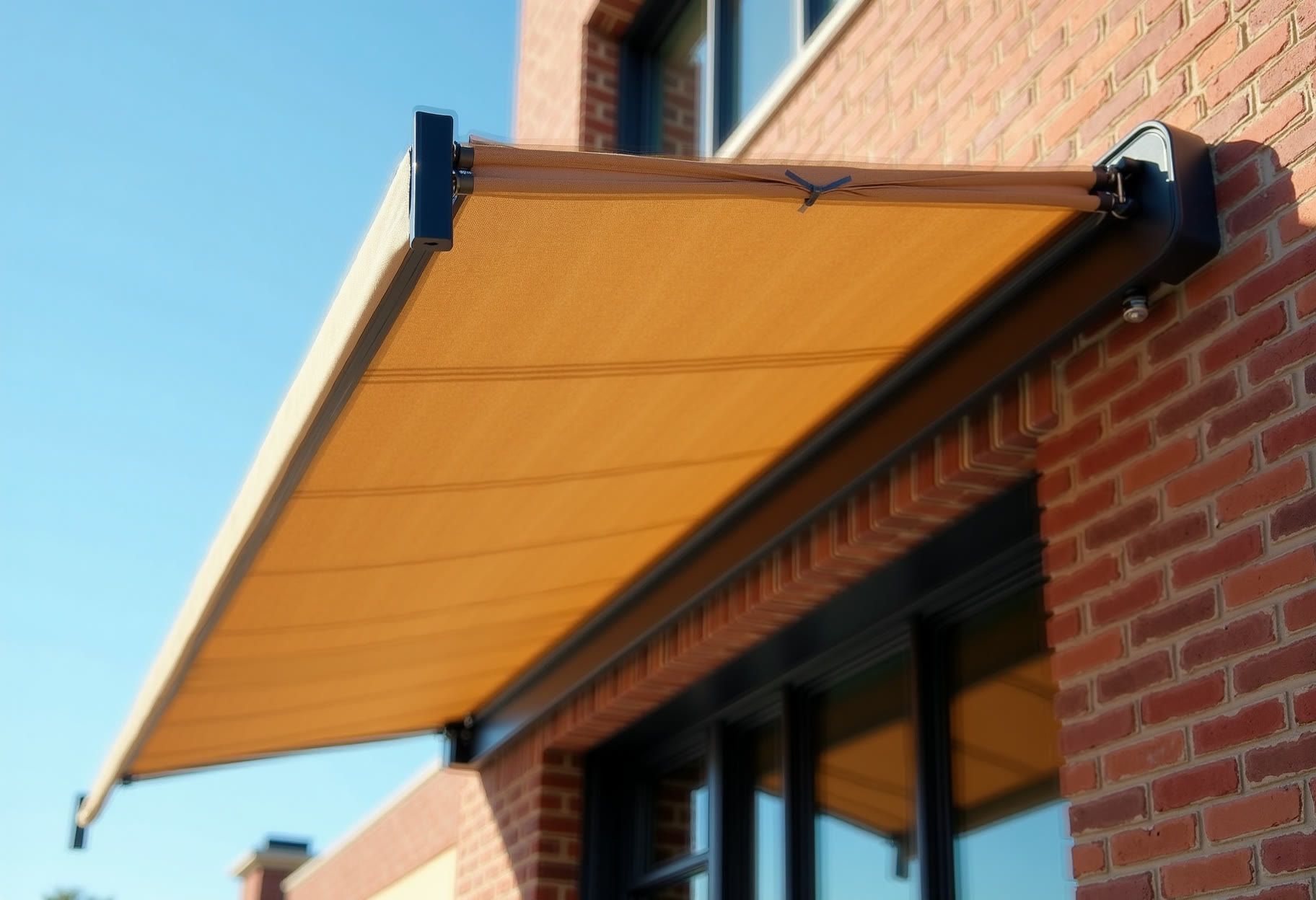
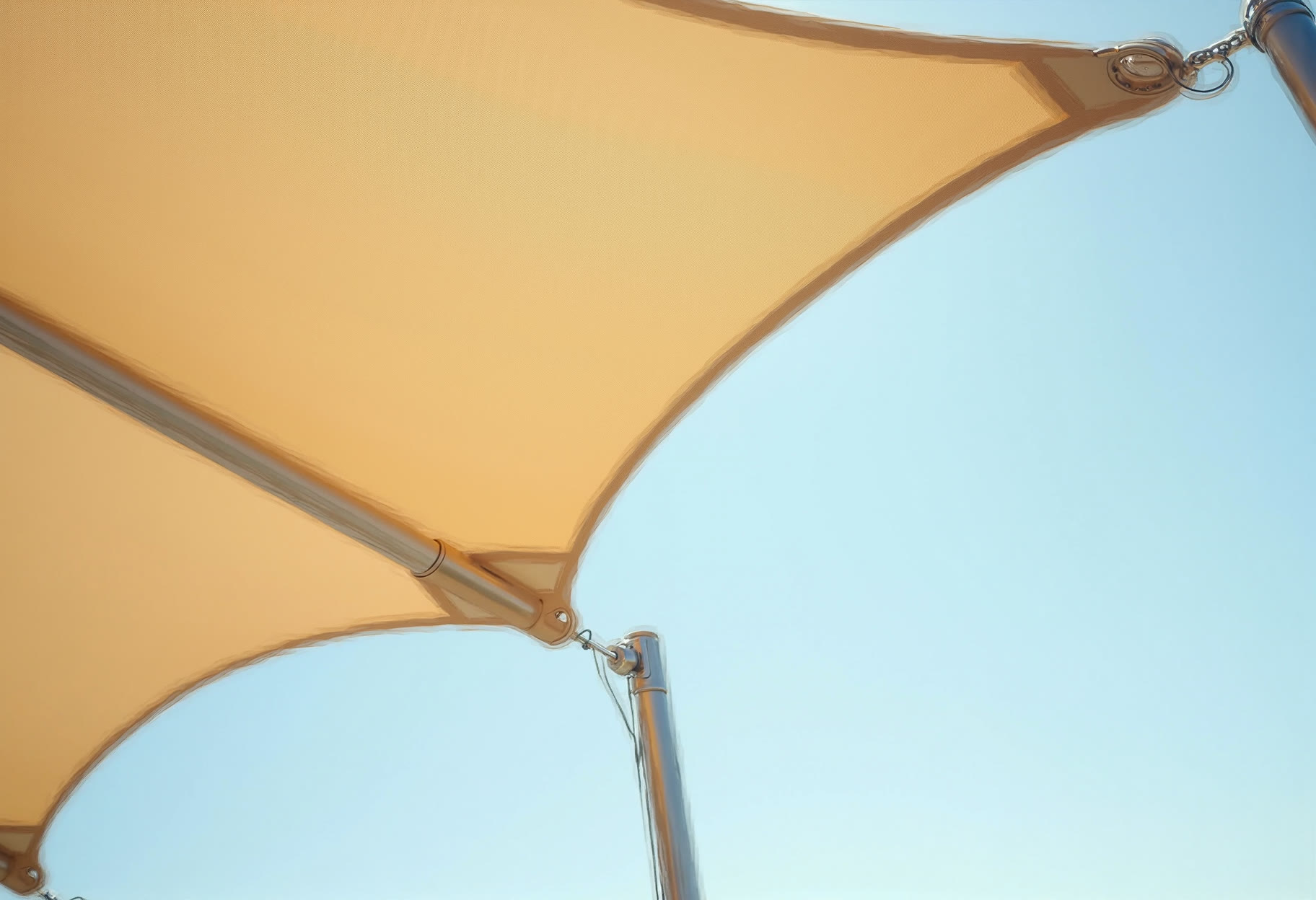
One photo from the job site every day we're tensioning fabric — the frame, the anchors, the finished shade line. Shot on the phone, up in ten seconds, no filter.
If the fabric flaps or the frame bends, the whole thing fails in the first storm. That's the whole business.
Motorized or manual retractable awnings on aluminum or steel frames, fabric tensioned to shed water and wind, mounted to the house or shop with proper lag points.
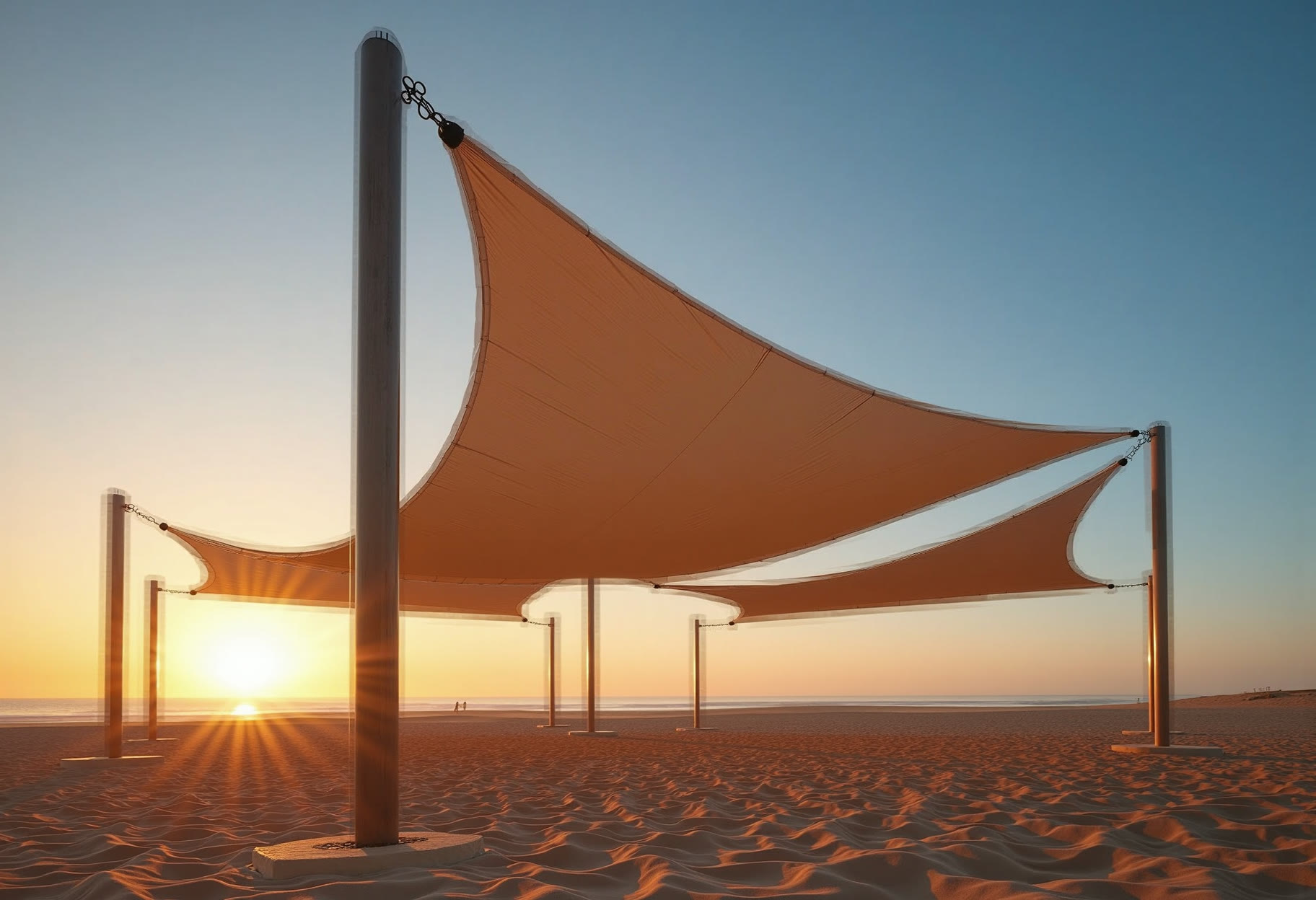
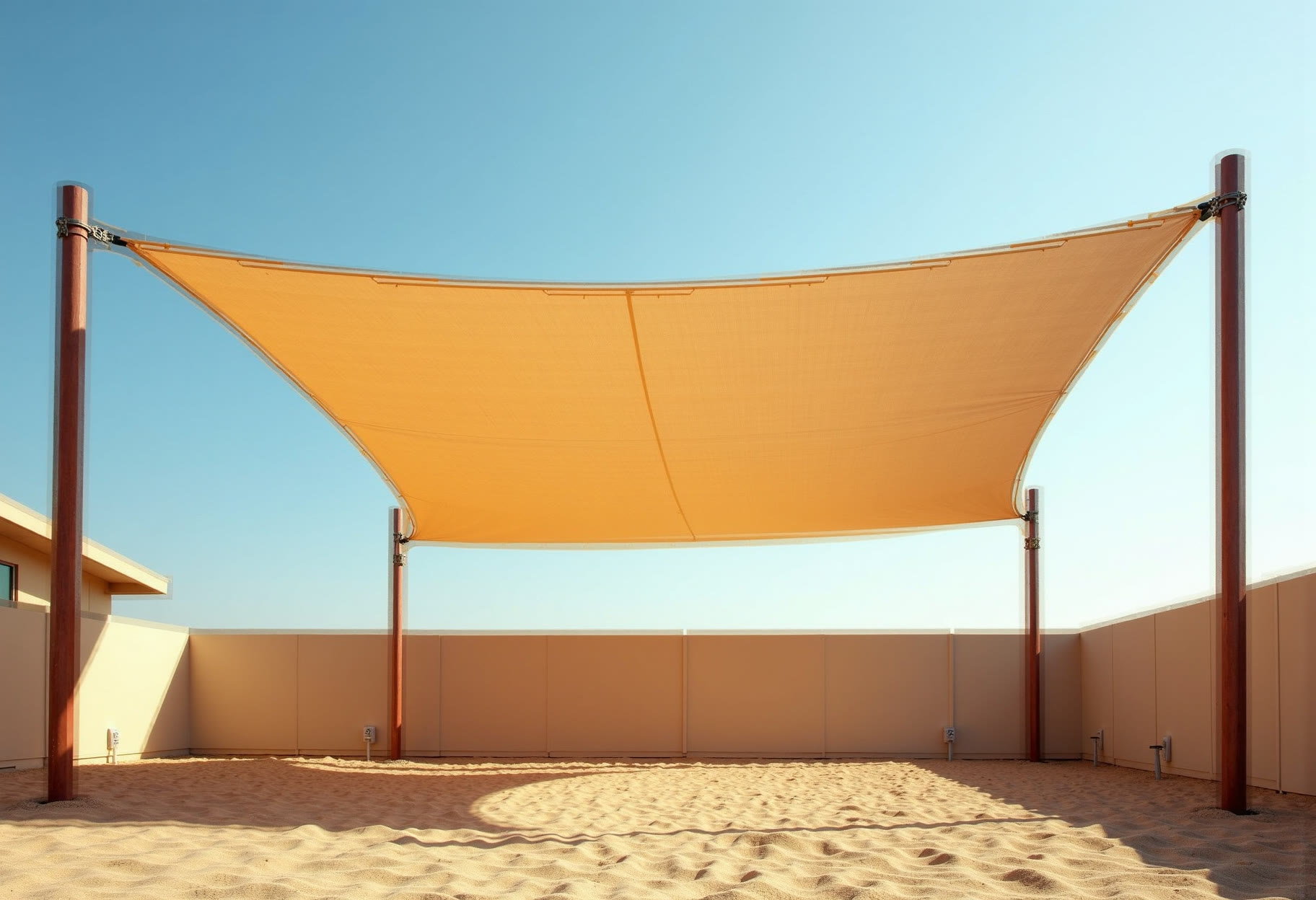
From $2,900Triangular or rectangular tensioned shade sails on 4x4 or 6x6 posts set in concrete, 95% UV block fabric rated for Oklahoma wind, corners hardware-tensioned so it stays flat.
From $1,650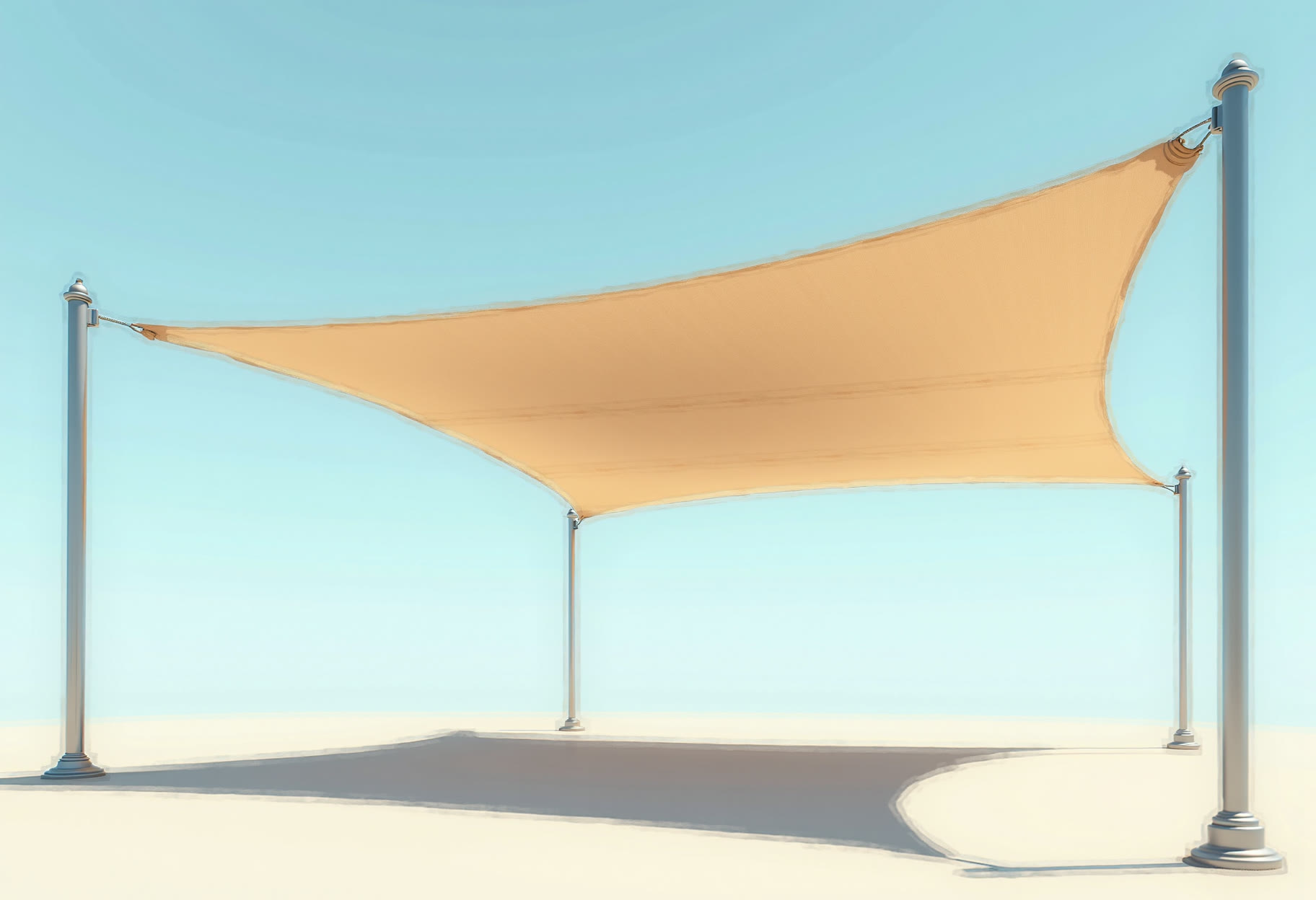
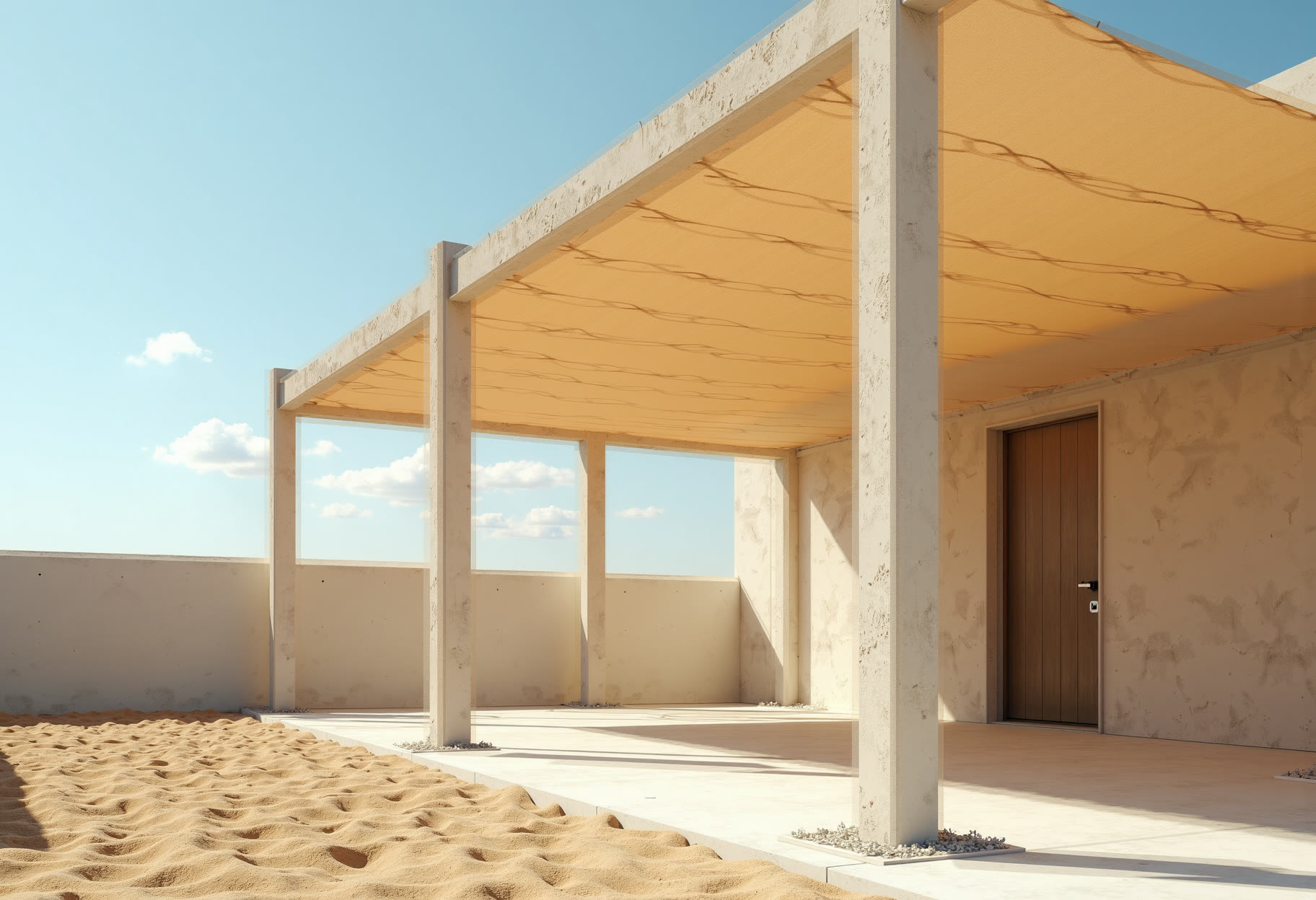
Fixed aluminum patio covers with standing seam or flat pan roof, posts anchored to existing slab or new footings, sized to carry snow load and 70 mph wind.
From $4,200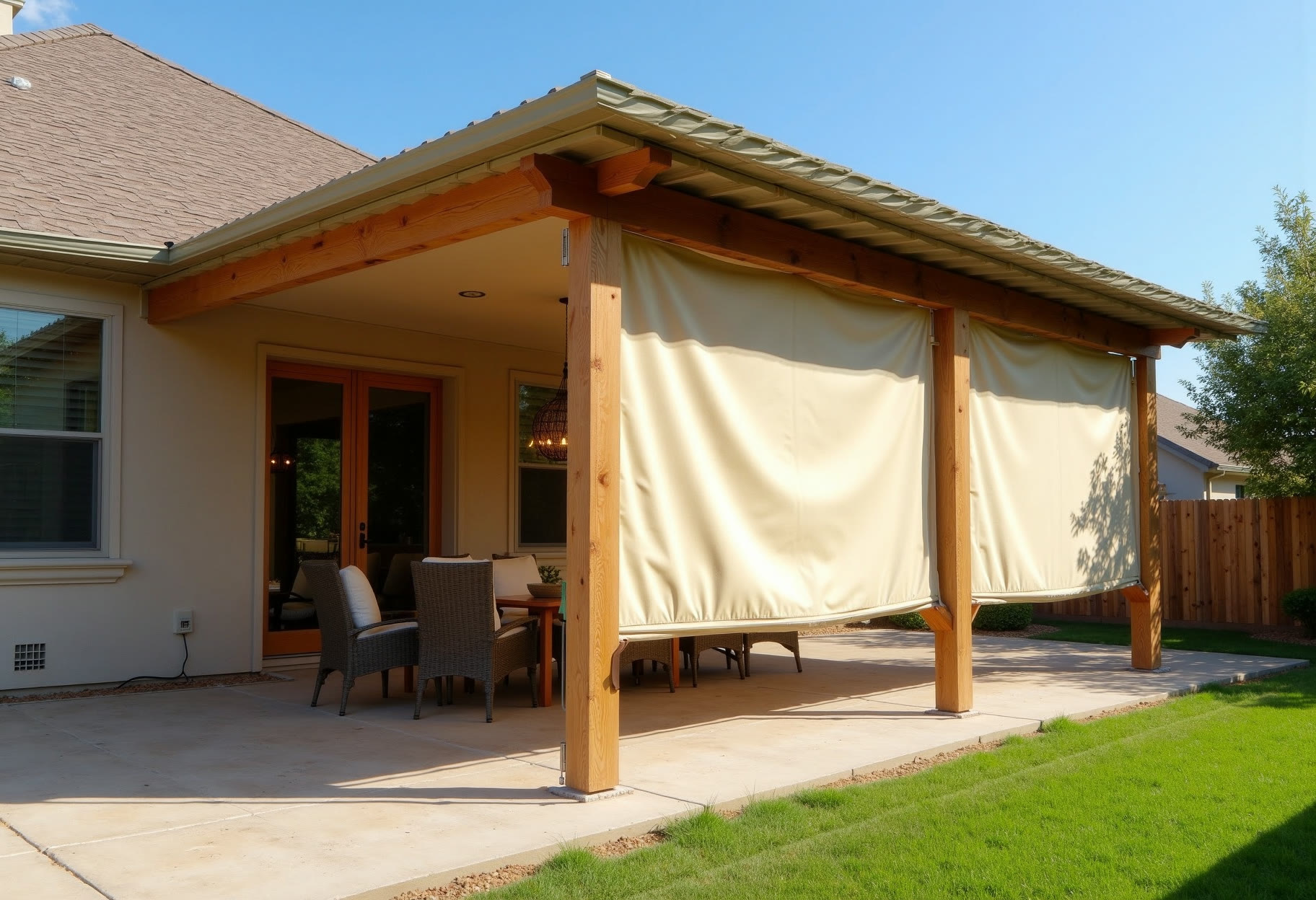
Aluminum or steel frame storefront canopies with acrylic or fabric panels, wall-mounted or post-supported, engineered to city wind codes and lit from above if needed.
From $3,800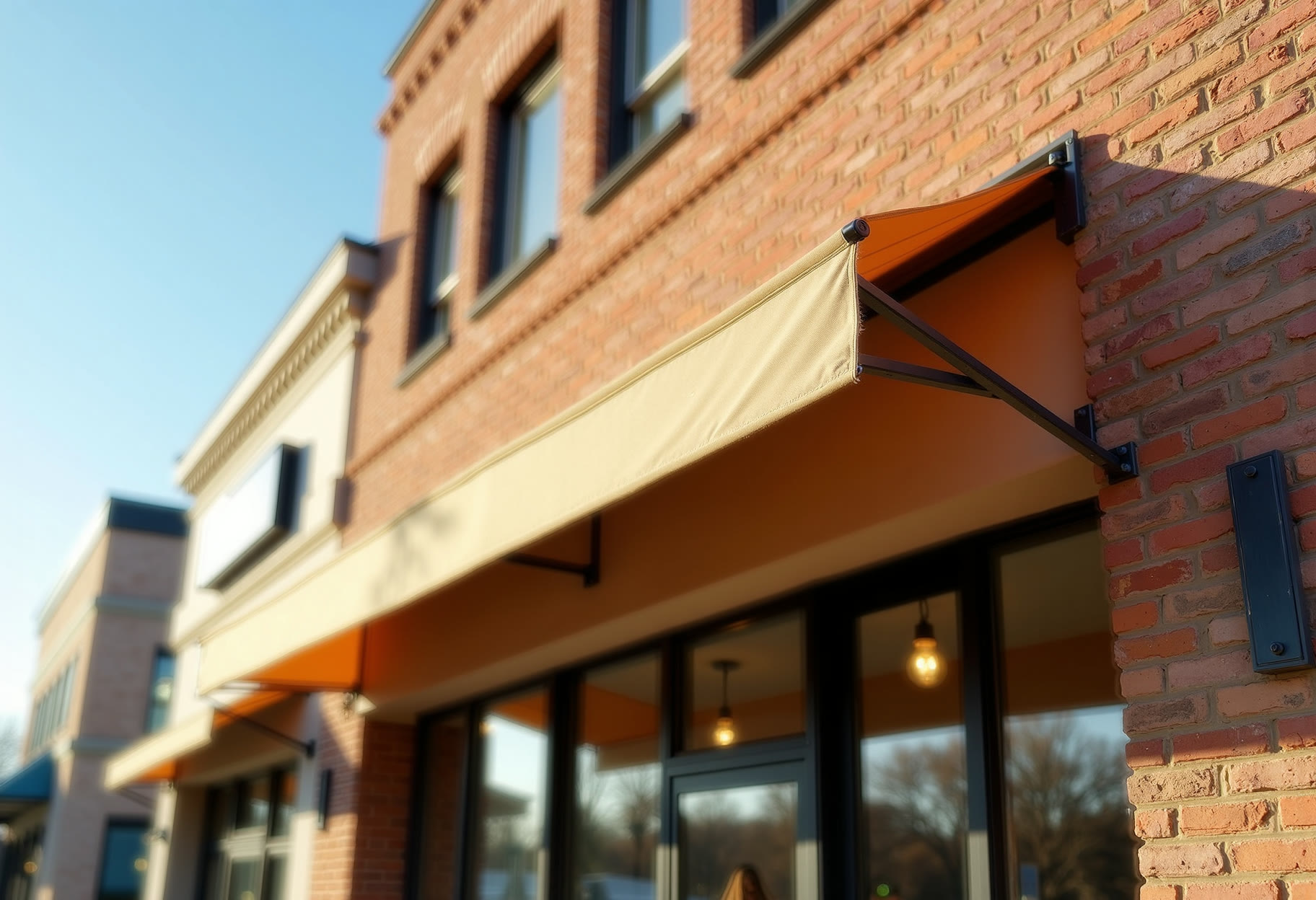
Old awning or shade sail fabric stripped and replaced with new Sunbrella or equivalent, frames inspected and re-tensioned, hardware replaced where worn.
From $1,100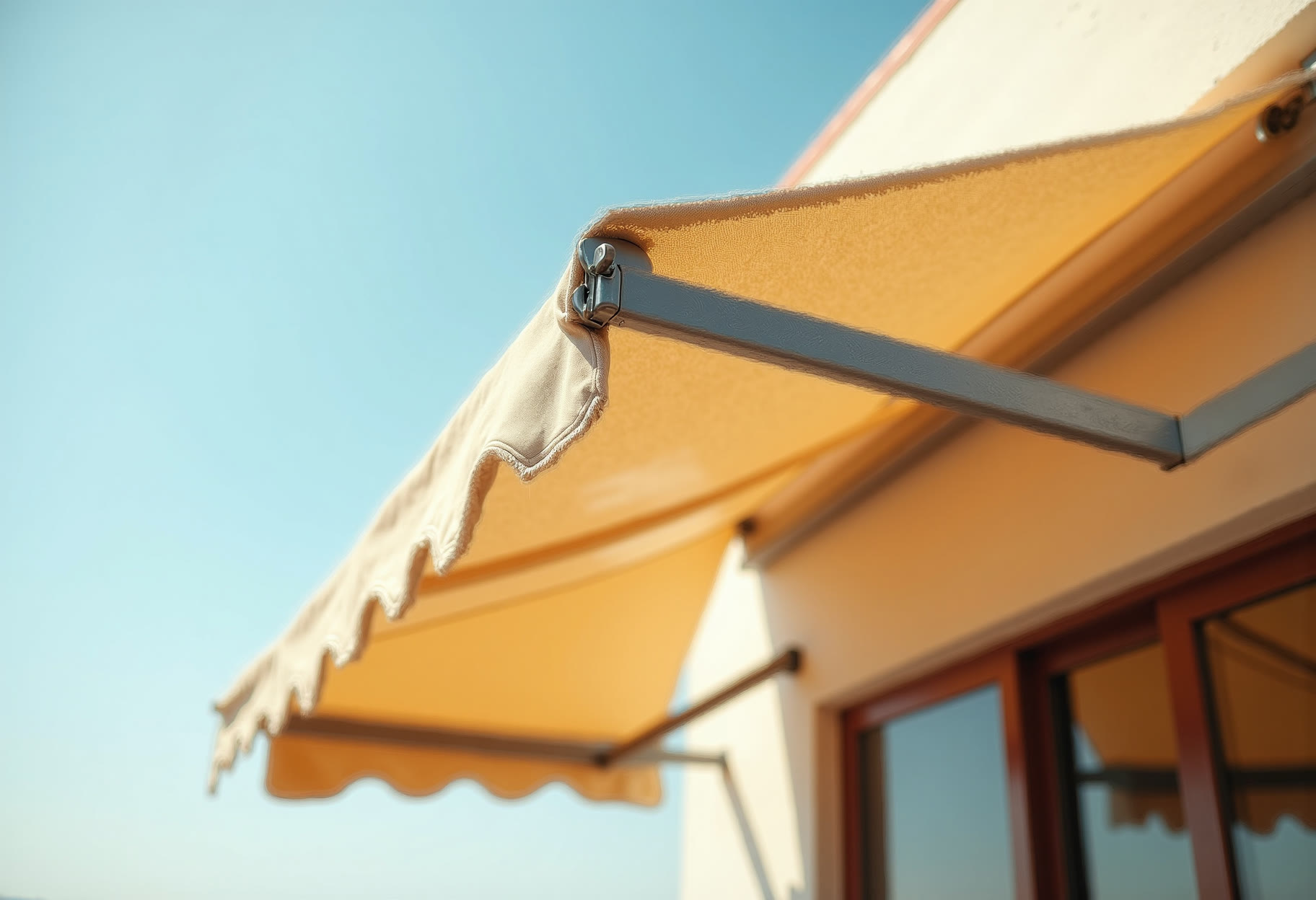
Torn fabric patches, bent arms straightened, motor replacements, anchor re-secures and cable re-tensioning on existing installations.
From $185/service call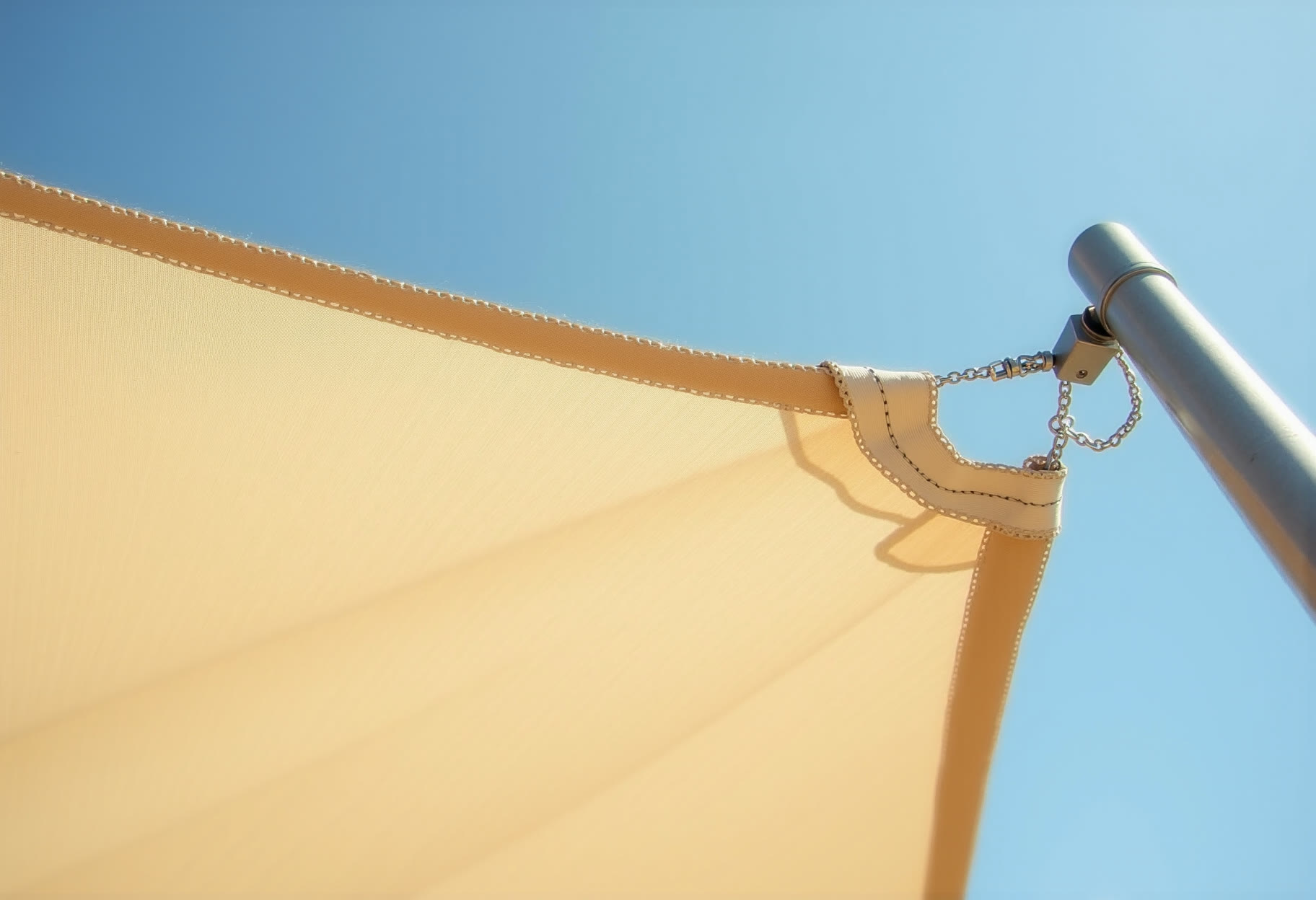
Sites around the metro and out on acreage. Most of these were taken at final tension before we left the ladder.
Marcus Hale started with a pickup, a ladder and a sewing machine in 2014, recovering awnings on commercial buildings in Moore while he learned the wind loads. The frames are bigger now. The way we anchor hasn't changed — we measure the exposure, size the hardware, and put one number on paper.
Most of our work is residential and small commercial: shade sails over pools that actually stay flat, retractables that roll in a 60 mph gust, storefronts that meet city wind code. Nobody sees the lag bolts once the fabric is up, which is exactly why we don't cut corners on them.
— Marcus Hale, Sailcloth Awning Works
Four things that decide whether shade holds up or tears out.
Frames and sail dimensions are taken on site with wind exposure noted. The fabric stays flat because the hardware matches the load.
Nothing subbed out to a mystery crew. The person who measured it is the person setting the lags and tensioning the lines.
Hardware and fabric rated for the 70 mph winds that actually hit here, not for a calm day in September.
We measure the exposure and existing structure before quoting, so nothing turns into an extra halfway through.
A patio that bakes, a pool that needs sail coverage, a storefront that needs a new canopy, an old awning that tore in the last storm — send the address and what you want covered and we'll come measure it.
Call or text with the square footage and what you're trying to shade. If we're not the right outfit for the job we'll tell you who is.